Introduction: The Veterinary Equivalent of Physical Therapy
For humans, physical therapy is a standard part of recovering from surgery or managing chronic pain. In the veterinary world, this focused field is known as Veterinary Rehabilitation—a specialized area within veterinary medicine that integrates with traditional veterinary practices. It focuses on restoring function, improving a pet's mobility, and enhancing the quality of life for animals through non-invasive therapies, with the goal to relieve pain, reduce pain, and provide pain relief for various injuries and conditions.
Veterinary rehabilitation is an essential branch of modern medicine that bridges the gap between surgical intervention and a return to normal activity (Marcellin-Little et al., 2015). It is beneficial for all species, including dogs, cats, rabbits, goats, and horses, supporting whole-body health and function.
What is a Rehabilitation Veterinarian?
A certified rehabilitation practitioner is a veterinarian, licensed veterinary technician, or rarely a human physical therapist (with veterinary oversight), who has undergone advanced, post-graduate training in physical therapy techniques specifically for animals. The practice of veterinary rehabilitation requires proper accreditation and is performed by trained professionals to ensure safety and effectiveness. In most jurisdictions, if a pet is treated by someone other than their regular veterinarian, that practitioner coordinates with the primary veterinarian to ensure continuity of care. One of the most recognized credentials is the Certified Canine Rehabilitation Therapist (CCRT), provided by the Canine Rehabilitation Institute.
These professionals possess specialized clinical reasoning skills to assess musculoskeletal issues, neurological deficits, and indications such as lameness, pain, or mobility deficits before designing a custom manual therapy plan (Edge-Hughes et al., 2023).
Common Modalities in Veterinary Rehabilitation
Rehab specialists utilize a variety of “multimodal” tools to manage pain, promote healing, and assist with recovery (Ihrke, 2023):
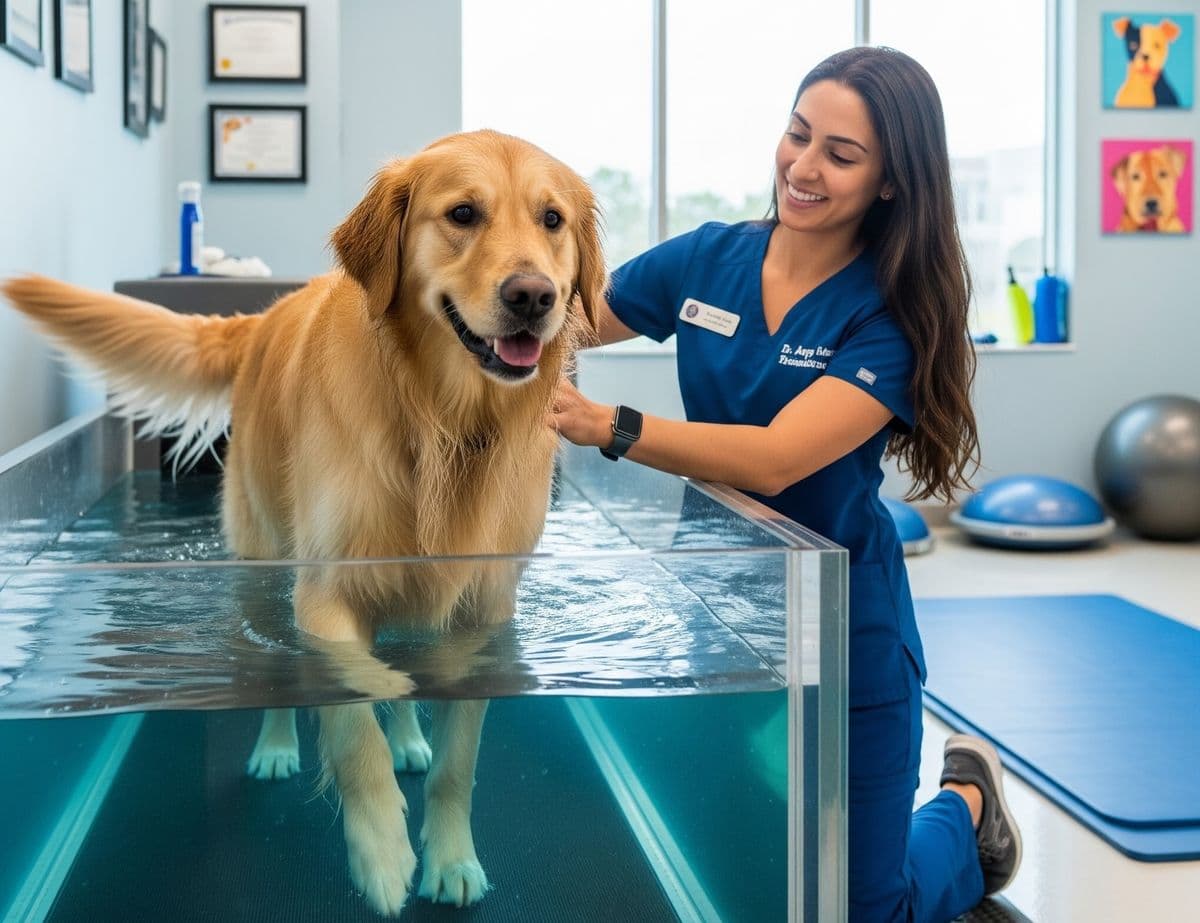
- Hydrotherapy: Using underwater treadmills or swimming to provide low-impact resistance training. These modalities help reduce stress on joints, promote muscle conditioning, and improve endurance.