What Is an Integrative Veterinarian and When Do I Need One?
VE
Vetmodo Editorial TeamMay 24, 2026
Key Takeaways
•The AVMA now formally defines integrative veterinary medicine as a comprehensive approach combining conventional practices with complementary therapies including acupuncture, physical rehabilitation, manual therapy, integrative nutrition, and botanical medicine.
•Integrative medicine is most effective alongside conventional care, not as a replacement. A true integrative approach still relies on blood work, imaging, and diagnostics to guide treatment.
•Senior pets and those with chronic pain, neurological conditions, or terminal illness stand to benefit the most from a multimodal integrative plan.
Introduction: What Is Integrative Veterinary Medicine?
As veterinary medicine evolves, many pet owners are looking beyond conventional treatments for a more comprehensive approach to their pet's health. This has led to the growth of Integrative Veterinary Medicine (IVM), a field that combines conventional Western medical therapies with evidence-based complementary treatments.
The AVMA's House of Delegates recently adopted a revised policy formally defining IVM as "a comprehensive approach to animal health care that combines conventional veterinary practices with complementary and alternative therapies, such as acupuncture and chiropractic care." The goal is to clarify the role of IVM within veterinary clinical decision-making and promote a balanced, science-informed framework for its application. (Memon & Xie, 2025)
Importantly, integrative medicine is not an alternative to conventional medicine. It is guided by the best available evidence and still depends on diagnostics such as blood work, X-rays, and ultrasound to understand the underlying causes of disease. (Memon et al., 2016)
What Is an Integrative Veterinarian?
An integrative veterinarian is a licensed doctor of veterinary medicine (DVM) who incorporates complementary therapies into their standard practice. This approach often falls under the "One Health" umbrella, recognizing the deep interconnectedness of animal, human, and environmental health. This is an evolving philosophy that traces its origins back centuries and continues to shape modern veterinary thinking. (Dodds, 2025)
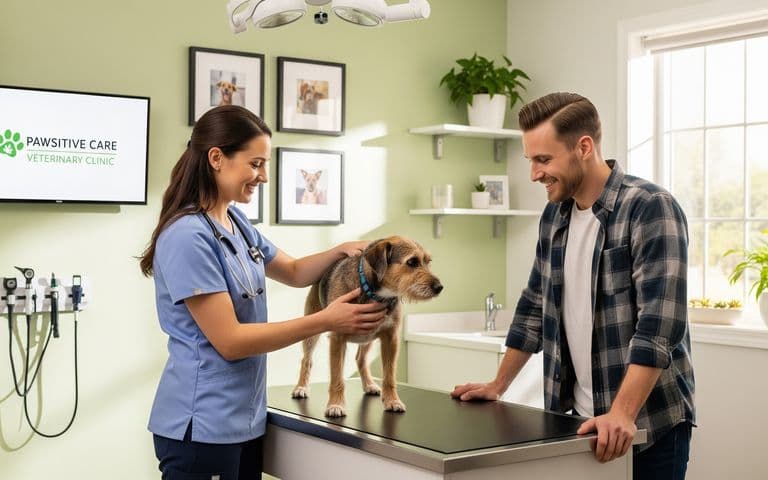
An integrative veterinarian still performs physical examinations, orders diagnostics, prescribes medications, and refers for surgery when indicated. The difference is that they also draw from a broader toolkit of evidence-informed therapies to optimize outcomes, manage pain, and support quality of life alongside conventional treatment. (Dohmen, 2025)
What Therapies Do Integrative Veterinarians Use?
According to the AVMA's current IVM policy, five core modalities define integrative veterinary practice: (Memon & Xie, 2025)
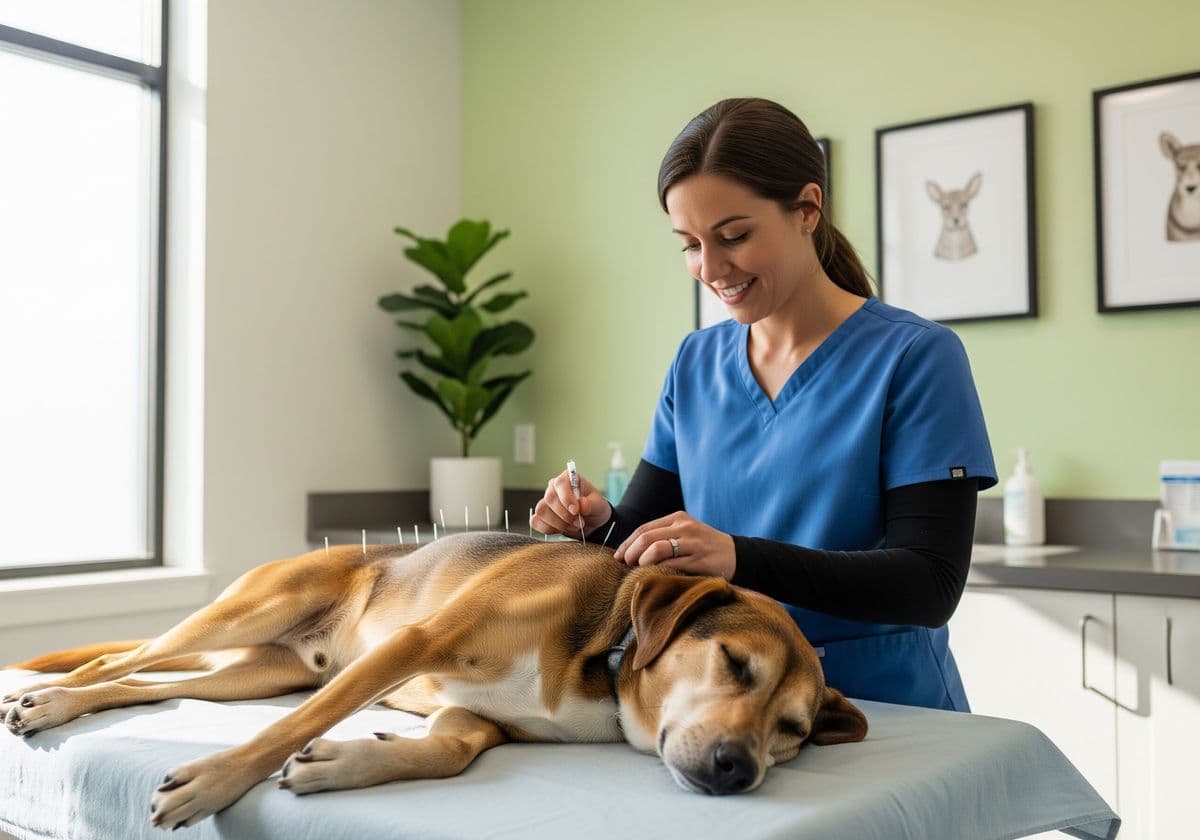
Acupuncture. Fine needles stimulate specific points on the body to trigger the release of endogenous pain-relieving compounds and modulate neurological signaling. Acupuncture is one of the most studied and widely applied integrative modalities in companion animal medicine, and among the most commonly administered therapies in integrative service caseloads.
Frequently asked questions
What is the difference between holistic and integrative veterinary medicine?
"Holistic" care refers broadly to treating the whole patient. Integrative Veterinary Medicine is a more specific term, defined by the AVMA as combining conventional veterinary practices with complementary and alternative therapies while being guided by the best available evidence. The key distinction is that IVM does not abandon modern diagnostics or evidence-based standards, rather, it adds to them. (Memon & Xie, 2025)
Can integrative medicine help manage my senior pet's chronic pain?
Quite possibly, and real-world caseload data supports its use. In a retrospective analysis of over 5,000 integrative patient sessions, neurological and orthopedic conditions were the most common presentations, and older patients with a mean age of 9.0 years made up the majority of the caseload. By combining conventional pain medications with laser therapy, acupuncture, hydrotherapy, and targeted nutraceuticals, integrative veterinarians can improve mobility and potentially reduce long-term reliance on prescription drugs. (Shmalberg & Memon, 2015); (Dohmen, 2025)
Does an integrative veterinarian still use standard diagnostics?
Yes. A true integrative approach relies entirely on conventional diagnostics, such as blood work, X-rays, urinalysis, ultrasound, to understand the underlying cause of a patient's symptoms. These findings are essential for designing a safe and effective plan. The AVMA and published consensus guidelines are explicit that integrative medicine must be held to the same evidence-based standards as all other veterinary practice. (Memon et al., 2016)
Citations
AAHA. Introduction to Integrative Physical Medicine. Trends magazine. 2021. https://www.aaha.org/.../introduction-to-integrative-physical-medicine-aha0037.pdf
Dodds WJ. One Health: Introduction to Integrative Veterinary Medicine. Vet Clin North Am Small Anim Pract. 2025. https://pubmed.ncbi.nlm.nih.gov/40858469/
Dohmen L. A Journey to Integrative Veterinary Medicine. Vet Clin North Am Small Anim Pract. 2025. https://pubmed.ncbi.nlm.nih.gov/40803894/
Forster P, et al. CIMUVET-survey: Complementary and Integrative Medicine. PLoS One. 2025. https://pubmed.ncbi.nlm.nih.gov/40601714/
Klickman R. Integrative Veterinary Hospice and Palliative Care. Vet Clin North Am Small Anim Pract. 2025. https://pubmed.ncbi.nlm.nih.gov/40781017/
Memon MA, Xie H. Integrative veterinary medicine: an emerging trend. Am J Vet Res. 2025. https://pubmed.ncbi.nlm.nih.gov/41072471/
Memon MA, et al. Consensus guidelines for an integrative veterinary medicine curriculum. Open Vet J. 2016. https://pmc.ncbi.nlm.nih.gov/articles/PMC4824037/
Shmalberg J, Memon MA. A Retrospective Analysis of 5,195 Patient Treatment Sessions. Vet Med Int. 2015. https://pubmed.ncbi.nlm.nih.gov/26798552/
VE
Written by
Vetmodo Editorial Team
The information on this website is for educational purposes only and does not constitute veterinary medical advice, diagnosis, or treatment. Always consult a licensed veterinarian regarding your pet's health. Reliance on any information provided by Vetmodo is solely at your own risk.
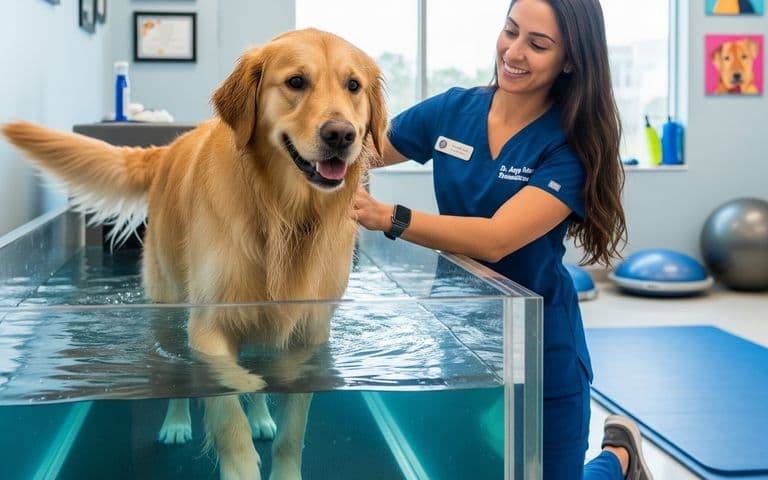
Physical rehabilitation. Underwater treadmills, laser therapy, therapeutic ultrasound, and structured therapeutic exercise programs target neurological and musculoskeletal conditions, restoring mobility and rebuilding strength. In an analysis of 5,195 integrative patient treatment sessions at a university teaching hospital, laser therapy, hydrotherapy, and electroacupuncture were each administered to more than 50% of patients. (Shmalberg & Memon, 2015)
Manual therapies. Hands-on techniques applied to soft tissues, joints, and nerves promote relaxation, pain relief, and improved mobility. These include therapeutic massage, joint mobilization, and veterinary spinal manipulation therapy.
Integrative nutrition. Personalized dietary plans that support overall health, including the use of nutraceuticals such as omega-3 fatty acids and targeted supplements to reduce inflammation and support organ function.
Botanical medicine. The therapeutic use of plants and their derivatives as part of a broader treatment strategy, guided by evidence where it exists and used with appropriate clinical oversight.
Who Is Seen in Integrative Veterinary Practice?
Real-world caseload data reveals which patients most commonly benefit from integrative care. In the retrospective analysis of 5,195 treatment sessions at a university integrative medicine service, the patient population skewed distinctly toward older animals with chronic conditions. The mean patient age was 9.0 years, older than the general hospital population. Neurological conditions (50.7%) and orthopedic conditions (49.6%) accounted for the majority of presenting complaints among patients receiving multiple modalities. Dogs comprised 95.6% of the caseload, with Dachshunds represented more frequently than expected based on general population statistics - a reflection of their predisposition to intervertebral disc disease. (Shmalberg & Memon, 2015)
This data provides a realistic picture of where integrative medicine may deliver its clearest value: senior dogs, neurological patients, and animals with chronic musculoskeletal disease.
When Should You Seek an Integrative Veterinary Consultation?
Integrative medicine is most effective when used alongside conventional care rather than as a replacement. When both approaches are combined, veterinarians can create a synergistic, multimodal treatment plan that addresses multiple dimensions of a patient's condition simultaneously. (AAHA, 2021) The following scenarios are where integrative consultation adds the most clinical value.
Chronic pain management. For pets with osteoarthritis, spinal disease, or other sources of long-term pain, conventional medications such as NSAIDs carry risks with extended use. Integrative therapies provide a multimodal approach to pain that may allow lower prescription drug doses over time, reducing the risk of side effects while maintaining comfort. (Shmalberg & Memon, 2015)
Senior care and quality of life. As pets age, they often develop multiple concurrent health challenges. Integrative medicine is well suited to supporting senior patients by simultaneously addressing inflammation, mobility decline, and cognitive changes through a coordinated combination of modalities. The approach emphasizes preventive care, identifying underlying imbalances, and reducing unnecessary pharmacological burden. (Dohmen, 2025)
Neurological conditions. Pets recovering from intervertebral disc disease (IVDD) surgery, those with degenerative myelopathy, or animals with other spinal cord or peripheral nerve conditions benefit from acupuncture, electroacupuncture, and targeted therapeutic exercises that stimulate neural pathways and preserve muscle mass during recovery.
Hospice and palliative care. When the goal shifts from cure to comfort, integrative hospice care provides a broader toolkit for maintaining quality of life in a pet's final weeks and months. Alongside conventional medications, modalities including acupuncture, manual therapy, and herbal support can reduce pain, ease anxiety, and support both the pet and the family through end-of-life care. (Klickman, 2025)
Integrative oncology. Integrative approaches are increasingly applied as supportive care alongside conventional cancer treatment, with the goal of improving quality of life and managing treatment-related side effects rather than replacing chemotherapy or surgery.
Education and Standards: Is Integrative Veterinary Medicine Regulated?
Because the field is growing rapidly, education is becoming more formalized. Consensus guidelines now exist for integrative veterinary curricula within veterinary colleges, with the explicit requirement that IVM be taught using the same standards of evidence-based medicine applied to all other clinical disciplines. (Memon et al., 2016)
Survey data from the CIMUVET study, which evaluated complementary and integrative medicine use among veterinary practitioners in Austria, Germany, and Switzerland, found that 58.9% of responding veterinarians held a positive attitude toward CIM, while 22.4% were negative and 15.4% neutral. The authors concluded that integrating CIM into university curricula and teaching hospitals in Switzerland and Germany represents a promising development, consistent with the WHO Traditional Medicine Strategy 2025–2034. (Forster et al., 2025)
It is worth noting that not all integrative certifications carry the same weight. Formal postgraduate training programs in acupuncture, rehabilitation, and related modalities exist and are widely recognized, but the level of oversight varies by modality and country. When seeking an integrative veterinarian, it is reasonable to ask about their specific training, certifications, and which evidence base they draw on for their recommendations.
What Integrative Medicine Is Not
A true integrative approach does not abandon conventional diagnostics. Blood work, urinalysis, X-rays, ultrasound, and biopsy remain the foundation for understanding what is happening in a patient. Integrative therapies are layered on top of, not instead of, that diagnostic and medical framework. (Memon et al., 2016)
Owners should be cautious of practitioners who suggest that complementary therapies alone are sufficient to manage conditions that warrant conventional diagnosis and treatment, or who discourage seeking second opinions from board-certified specialists.
Finding an Integrative Veterinarian Near You with Vetmodo
Open communication between all of your pet's healthcare providers is essential. An integrative veterinarian should work collaboratively with your primary care veterinarian and any specialists involved in your pet's care, not in isolation from them.
UseVetmodo.com to locate integrative veterinarians and clinics offering complementary therapies in your area.
Final Thoughts
Integrative veterinary medicine represents a meaningful expansion of the tools available to manage chronic pain, support aging pets, aid neurological recovery, and provide compassionate end-of-life care. The AVMA's formal adoption of an IVM policy and the development of consensus educational guidelines both signal that this field is maturing and being held to the same evidence-based standards as the rest of veterinary medicine. Whether you are managing your pet's chronic arthritis, supporting recovery from spinal surgery, or navigating a terminal diagnosis, an integrative veterinarian may offer approaches that conventional medicine alone cannot fully address.
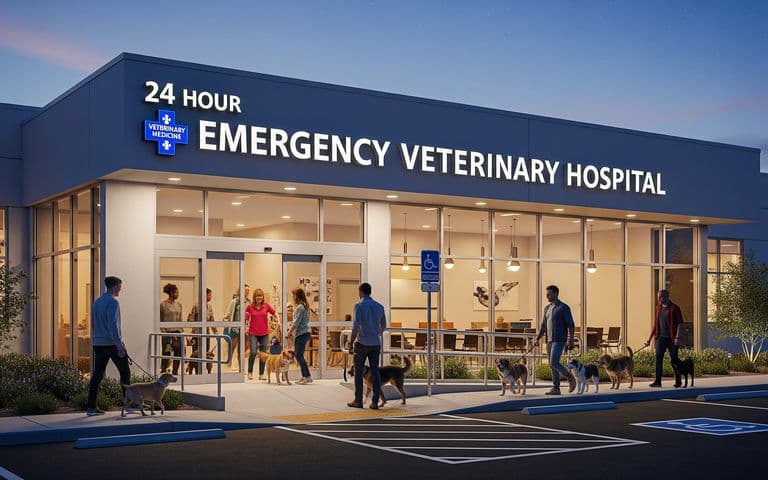
How to Find the Best 24-Hour Emergency Vet Near You
When your pet has an emergency, the last thing you want to be doing is searching frantically for the nearest vet. Knowing the difference between a general practice clinic, a standalone 24-hour ER, and a specialty-integrated emergency hospital, and having your closest options already saved in your phone, can mean the difference between fast, appropriate care and a costly, stressful delay. Here's everything you need to know before you ever need it.