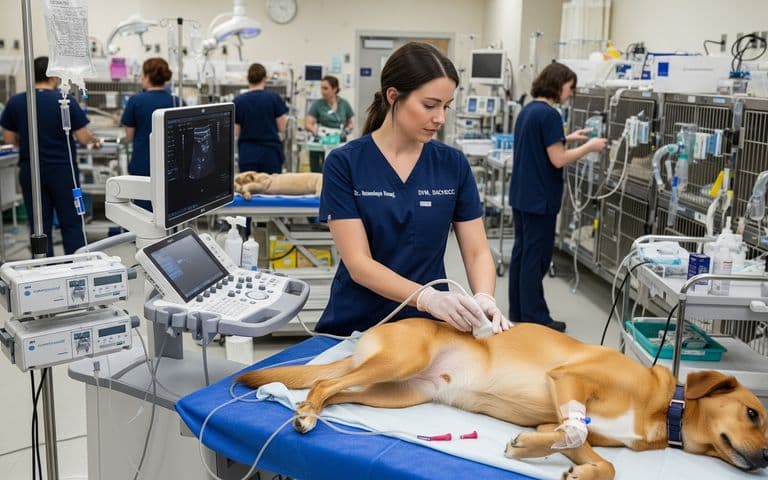
Introduction: Why Pet Nutrition Has Become More Complex
With the explosion of specialized pet diets into the marketplace, choosing the right food has never been more complicated. While your primary veterinarian provides essential guidance on weight management and general health, certain medical conditions require the advanced expertise of a board-certified veterinary nutrition specialist. These specialists are the architects of metabolic health, ensuring that every calorie serves a clinical purpose. (Chandler & Takashima, 2014)
What Is a Board-Certified Veterinary Nutritionist?
A board-certified veterinary nutritionist holds the designation of Diplomate of the American College of Veterinary Internal Medicine (DACVIM), specializing in nutrition, or may be credentialed by the European College of Veterinary and Comparative Nutrition (ECVCN) in Europe. These experts are DVMs who have completed at least three years of intensive residency training following veterinary school, focused specifically on how nutrients interact with disease processes, and some also hold a PhD for advanced research expertise. (Delaney, 2011)
Board certification distinguishes them from general practitioners who offer nutritional guidance as part of routine care. Board-certified nutritionists are members of these professional organizations and are highly trained persons with advanced credentials. A board-certified nutritionist brings a depth of clinical training in diet formulation, nutrient pharmacology, and disease-specific dietary management that goes well beyond what is typically covered in a standard veterinary curriculum.
Why Nutrition Is Considered the Fifth Vital Assessment
According to the 2021 AAHA Nutrition and Weight Management Guidelines, both WSAVA and AAHA now formally recommend that nutrition be assessed as the fifth vital sign at every veterinary examination, alongside temperature, pulse, respiration, and pain. Nutritional management is described as a central component of a complete healthcare plan and is directly linked to a pet’s longevity and quality of life. The positive impact of proper nutrition on conditions including chronic kidney disease, diabetes mellitus, and osteoarthritis is well-established. (Cline et al., 2021)
Veterinary nutritionists are involved in many aspects of veterinary medicine, including research, patient care, consultations, and education, and they work in environments such as veterinary schools, pet food companies, and private practices. The guidelines recommend that every examination include a nutritional assessment, incorporating both a body condition score and a muscle condition score, tailored to the individual animal’s age, physiological status, and activity level. This assessment should be repeated throughout a pet’s entire life, not just during illness. ()